


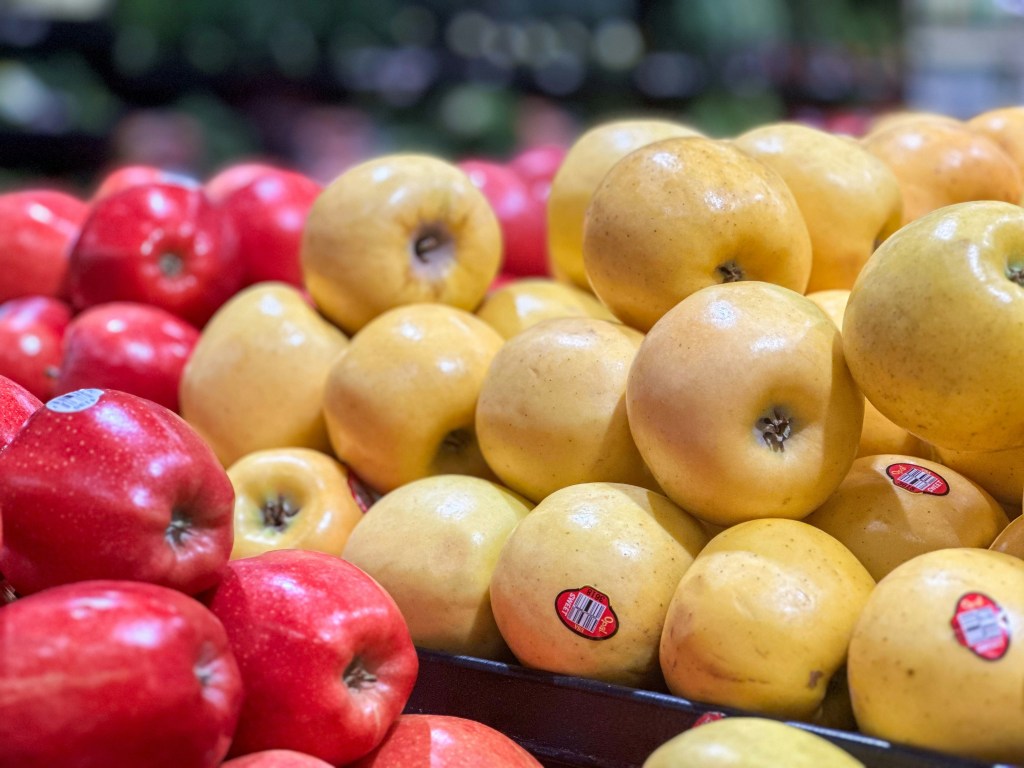
I’ll never forget the day I found myself standing in the grocery store, staring at an apple. An apple! Something so simple, so ordinary, but I was holding it like it was a Rubik’s Cube, trying to decipher it. Was it organic? Non-GMO? Was it sprayed with pesticides (or now, Apeel)? I’d just read an article that linked glyphosate—a common weed killer—to gut health issues, and suddenly, this apple wasn’t just an apple, my favorite fruit. It was a choice that could impact my health in ways I hadn’t even realized.
For years, I’d been feeling sluggish. My digestion was unpredictable, my energy levels were tanking, and no matter what I tried, I couldn’t seem to feel “right.” I chalked it up to stress, to aging, to the busyness of life. But deep down, I knew there had to be more to the story.
That was when I started digging into the research around cancer & diseases related to every day chemical exposures, and what I found was shocking. A recent study from Arizona State University revealed that glyphosate exposure isn’t just a concern for agriculture workers—it’s affecting all of us, with potential links to brain health and even Alzheimer’s-like effects (ASU News). The connection between this pervasive chemical and our gut health? Too important to ignore.
The more I learned, the clearer it became: I had to take action, for me and my family. But let’s be honest, overhauling your entire lifestyle overnight isn’t realistic for most of us. That’s when I realized that small, manageable changes could add up to something big.
Another study – more reassuring – showed that switching to an organic diet can dramatically reduce glyphosate levels in your body in just days (Beyond Pesticides). Choosing organic when I could, thoroughly washing my fruits and veggies, and avoiding processed foods with bioengineered ingredients were all steps I could take right away (Made Safe).
Fast forward a few months, and those small changes started to pay off. My energy came back. My digestion improved; I could even eat corn again (without cramping!), as long as it was organic. I felt lighter, clearer, more like myself. It wasn’t magic—it was science. Reducing my glyphosate exposure allowed my gut to heal, and with that, so many other aspects of my health started to fall into place.
Here’s what I’ve learned: Protecting your gut health doesn’t have to be overwhelming. You can start small, just like I did. Here are a few easy steps to reduce your glyphosate exposure and start feeling better today:
- Go Organic When Possible: Prioritize organic options for the “Dirty Dozen”—those fruits and veggies most likely to carry pesticide residues.
- Wash Produce Thoroughly: Even if it’s organic, a good rinse can help reduce residues. In any case, do not eat the skins of non-organic produce.
- Read Labels Carefully: Look out for bioengineered food ingredients (many are design to withstand glyphosate during growing) and choose alternatives when you can.
- Support Your Gut: Nourish your microbiome with whole, nutrient-dense foods plus a high-quality probiotic that help it thrive.
The truth is, we’re all navigating a modern world filled with stressors we can’t control. But this? Reducing glyphosate exposure? It’s something we can control, and it’s worth it. For our energy, our clarity, our health—and yes, even for that apple in the grocery store.
Ready to take the next step? Check out my Healthy Kitchen Guide for even more tips and tricks to protect your gut health and create a low-tox lifestyle. Because small changes really do add up to big differences. You’ve got this!