Why Back-to-School Hydration Needs a Rethink This Year
When it comes to keeping kids hydrated, it can feel like a no-win situation: plastic bottles leach microplastics, tap water can contain PFAS – so what’s a parent to do?
It’s the first week of school, and most parents are in full checklist mode. Lunch packed? Check. Homework folder signed? Check. Water bottle? Grabbed one of those convenient single-use plastic bottles from the pantry and tossed it in the lunchbox. Easy. Done.
Hydration is important—that much we know. But for years, I never really thought twice about the bottle the water came in. If the kids are drinking water, that’s good enough… right?
But now, the headlines keep rolling in: microplastics found everywhere—including inside human organs, even the brain. Suddenly, those “convenient” bottles don’t feel so harmless. Many parents, me included, are starting to understand that plastic bottles shed tiny particles that can accumulate in the body.
But here’s where the story gets complicated: If we ditch plastic and send our kids to school with tap water instead, what about what’s lurking there?
For years, parents have worried about lead and other contaminants in municipal water systems. Now, we’re learning about PFAS – the so-called “forever chemicals” – being detected in tap water nationwide and right here in our hometowns in New Jersey. PFAS are known carcinogens, and while studies vary, there’s growing evidence they may also interfere with neurological development in children.
So here we are, standing in the kitchen, holding a stainless steel bottle in one hand and a glass of tap water in the other, wondering: “What’s the safest choice for my child?”
For many parents, it feels like a no-win situation.
Let’s lay out the facts:
Hydration = Brain Power Even mild dehydration—just 2% of body water lost—can slow reaction times, weaken memory, and tank attention span in kids. One study found that children who drank an extra glass of water scored significantly better on memory and attention tasks. So yes, hydration is essential for learning.
Plastic Isn’t the Answer Microplastics are formed when plastic breaks down. They don’t stay in the bottle – they leach into the water, and then into our bodies. Researchers have found these particles in human brains at levels that have increased nearly 50% in less than a decade. Animal studies show microplastics can block blood vessels in the brain, impairing motor function and memory.
Tap Water Worries PFAS chemicals, widely used for decades to make products water – and stain-resistant, don’t break down – ever. They accumulate in water, the environment, and our bodies. Many PFAS are confirmed carcinogens, and while research is ongoing, exposure during pregnancy and childhood may interfere with brain development, attention, and behavior.
A Toxic Duo So while most of us want to ditch plastic bottles, we’re rightly cautious about what comes out of the tap.
New Normal: Here’s the good news: There is a simple, two-part solution.
Filter Your Tap Water Start with a filter certified by the NSF (National Sanitation Foundation) to remove PFAS and other contaminants. Even a pitcher-style filter with a carbon filter block can make a meaningful difference. If you can upgrade later to an under-sink or whole-home system, great – but start where you are.
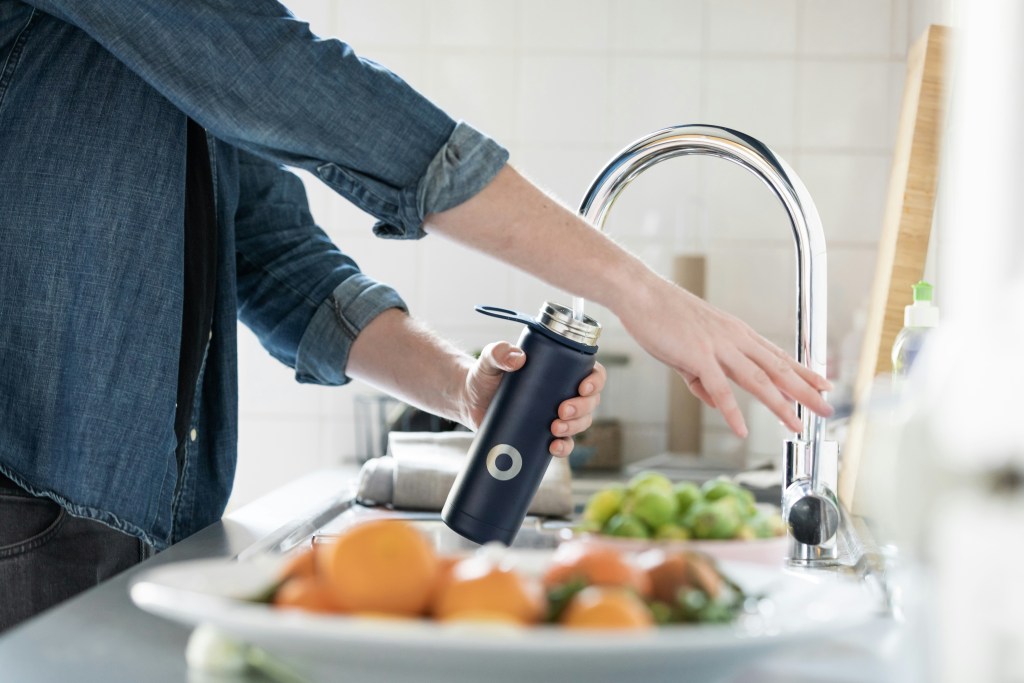
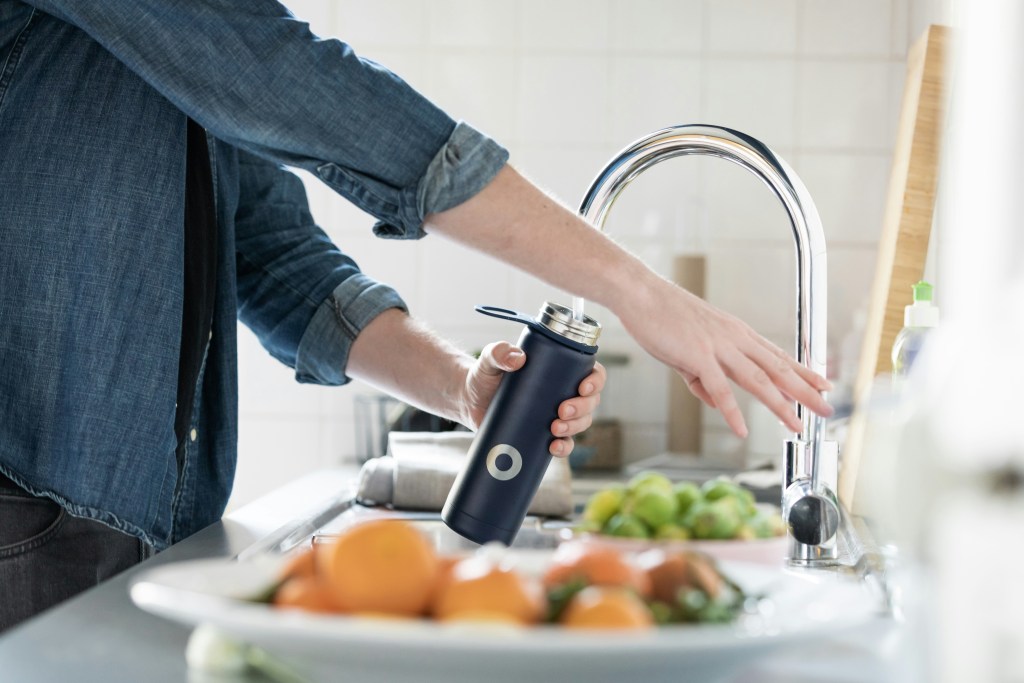
Use Stainless Steel Bottles Choose stainless steel bottles for your kids’ daily hydration. They’re durable, safe, and easy to clean – and they keep plastic particles out of your child’s water.
With these two steps, you eliminate the worst of both worlds: no microplastics from bottles, and significantly reduced PFAS from tap water.
Back-to-school season is the perfect time for a hydration reset. Ditching plastic bottles isn’t just about being eco-friendly, it’s about protecting our kids’ health, cognition, and long-term well-being.
Because the science is clear: hydration matters. But so does what’s in that water – and what it touches before it reaches your child’s lips.
So here’s your challenge for this school year:
Grab a reusable stainless steel bottle.
Filter your tap water—even if it’s just a carbon-block starter pitcher.
Share this knowledge with another parent who feels stuck in the “no-win” loop.
Your kids’ growing minds deserve water that nourishes – not water that carries hidden risks.
Clare Broderick is the founder of Greener Cleaner LIVING, LLC, a sustainable home and lifestyle consultancy. Clare uses her extensive professional experience in healthcare environment & building design to help women learn to live a more natural, non-toxic lifestyle & make changes to detox your family’s home & health. Want to create a healthier kitchen with sustainable swaps? Download my Healthy Kitchen Guide here.